
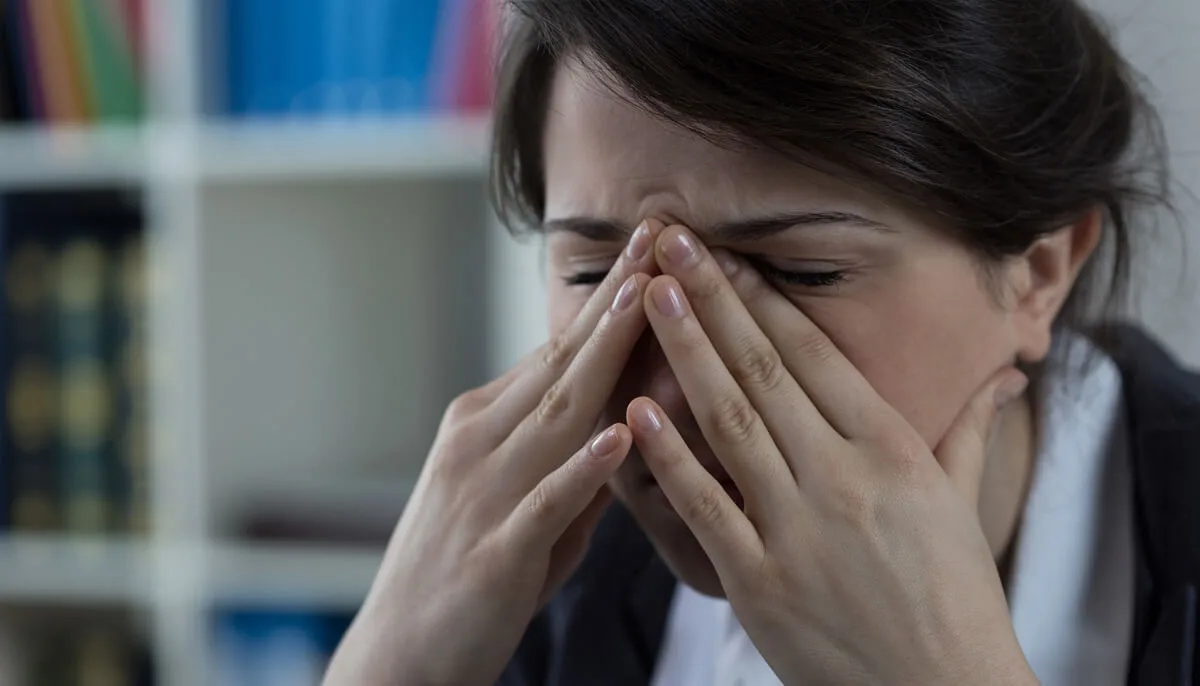
Are you stressed?
These days many of the clients I see are suffering from stress. Some people come with it as their main reason for needing to see a naturopath, however, more often people come in with other complaints such as insomnia, digestive disturbance, lack of energy or weight gain, and do not correlate them to stress. Yet stress is the secret cause behind many of these conditions, and it is literally ruining some people's health and lives.
There are many different triggers for stress and most of us expect it, especially from major life issues such as death, divorce, serious illness, unemployment and financial crisis. What people don't expect is the stress we get from continually overloading and over-scheduling our lives. I work with many women who are trying to balance a stressful job with being the best wife and/or mother, whilst trying to exercise and stay fit (as we are all supposed to be physically perfect now) and keep in touch with friends and family.
And indeed there are many men whose careers, family commitments, interests and relationships are becoming more and more overwhelming. Indeed in the past few years many companies have also cut back on their work force numbers and employees, both men and women, are doing extra work to tighter deadlines.
We are also bombarded with TV, the Internet, computers and mobile phones, so it is hard to have quiet time to ourselves. Much of the time we are in an office, cars, buses or the house, so we don't see much of the outside world. With all this we have very little peace in our lives or connection with good old New Zealand nature.
So what should we be looking for as indicators of stress?
- Mental symptoms - anxiety, depression, poor memory, poor concentration, feeling tearful and overwhelmed, irritable, short tempered, with very little tolerance for anything.
- Sleep difficulties - either getting to sleep or waking in the night thinking. Night sweats.
- Physical manifestations - palpitations, weight gain round the middle, hot flushes, low energy, cravings for sugar or carbohydrates, salt, coffee and alcohol.
- Low immunity - you keep getting sick all the time.
- Digestive system not working well - you suffer from gas, bloating, constipation, diarrhoea.
Why are there so many types of stress indicator?
The varied symptoms of stress reflect the fact that there are different stages of stress. Initially a little stress in our lives can be positive and motivating. Also short-term stress, like the occasional tight deadline at work, can be manageable.
Stress in itself is not all bad - the stress reaction was designed by the body as a survival response - the woolly mammoth appeared near the cave, and the body kicked in with reactions to prepare ancient man for Fight, Flight or Freeze to avoid the confrontation. The body dilates the arterial system to supply more blood to the muscles, and the senses are heightened, the blood pressure increased, you breathe more to supply more oxygen and energy to the muscles. But this reaction was designed as a short-term response - it was never meant to be continually applied.
Unfortunately as we've seen there are stressors right throughout modern life and many of us are stressed the whole time. When we are continually overloaded things can start to go wrong.
The main organs affected by stress are the adrenal glands. They sit on top of the kidneys and make the hormones that drive the stress reaction. When we have been stressed for a while they will start to produce extra stress hormones like cortisol and we may be over stimulated. This makes us anxious, wired, snappy, but still tired and often our sleep is being affected at this point. As time goes on the poor adrenal glands get a bit worn out and suddenly we are flat, exhausted, depressed and have no energy.
Since increased cortisol affects how we metabolise blood sugar we may find we start to gain weight round the middle and have sugar cravings, especially mid afternoon. Also cortisol blocks the production of thyroid hormones, which may lead to low thyroid function, leaving us tired, cold and again gaining weight.
Our digestive system is also affected as a large part of the nervous system resides in this area, hence loose bowel motions when we are nervous. Stress also causes inflammation of the digestive system, which impairs the absorption of nutrients and may increase intolerances to foods.
So what can we do about it?
Well in an ideal world I could say "take some time off" or "have a holiday", but generally that is not immediately realistic. I remember when I was working as an IT Project Manager part time and studying naturopathy - a full year of working 6 days a week, often getting up at 6 and finishing assignments at 10pm.
I spent a lot of time wishing I could create extra minutes in the day, as there just never seemed enough time. You would expect better from students of natural medicine, but desire must match the reality of our situation, and the bills simply won't pay themselves.
So if we can't invent time or grow a money tree and have limited ability to change our environment then we need to support our bodies through the period of stress.
How stressed are you?
It's important to recognise the levels and frequency of the stresses you suffer from. Generally I use a Mood & Stress Questionnaire and discuss symptoms, to determine what stage of stress people are at, when deciding what treatments are most appropriate.
Be honest with yourself and your answers - it can really help clarify in your mind what may be wrong. And it's a great help to me as a Naturopath if you subsequently seek help, as it can short-cut the diagnosis and treatment plan process and get you back on your feet faster.
What types of treatment for stress can you expect?
There are no set plans in Naturopathy - everyone is treated as a unique individual, with a unique set of problems and usually a unique set of treatments to address these. However in general your treatment plan will usually include some or all of the following.
Herbal medicine
There are many amazing herbs that can support us through times of stress. Many varieties of the ginseng family are used and they are known as adaptogens, as they help our bodies adapt and cope with the physical effects of stress. Some are more relaxing and others more stimulating for when we have completely worn ourselves out.
Then there are specific herbs that act as adrenal tonics, which nourish the adrenal glands and support them in their production of hormones.
Nutrients
The body becomes depleted of many nutrients when you are stressed continually or severely. The key one would be magnesium, which is shed from the cells in a classic stress response. Signs that you may need magnesium are restless legs, poor sleep and muscle cramps.
Another group of nutrients that get depleted are the B vitamins, especially B5 and B6, and they are also important for the nervous system and for energy. You may notice cracks in the corners of your mouth or find you jump at noises when you are deficient in B vitamins.
Vitamin C is stored in high amounts in the adrenal glands, which shows how important it is for the functioning of this gland. Bruising easily and poor wound healing can be signs of a serious deficiency in Vitamin C.
Finally Omega 3 oils (from fish, krill, flaxseed) are very important for protecting our brain and producing the neurotransmitters we need for mood balance.
Exercise
I know there is little time, but exercise increases our feel-good hormones and helps us relax. If you can get outside and do some exercise this can also be more relaxing. If nothing else a short walk round the block after dinner or before breakfast is still beneficial and can remarkably increase your sense of wellbeing.
Diet do's and don'ts
If you are tired and stressed your natural tendency is to reach for stimulants - coffee in the morning to get you going and sugary snacks in the afternoon, when your blood sugar hits a low.
Try to limit coffee to just one a day if possible, as it can tend to stress the adrenals and make you anxious. If consumed later in the day it can also affect sleep.
Keep blood sugar in balance by eating regular meals. I know it can be difficult when you are busy, but adding structure to your life with meals can help your blood sugar stay in balance and have a grounding effect.
Many people self-medicate for stress, especially at day's end, with a glass or two of wine or beer in order to relax and unwind, often with some salty snacks alongside, as adrenal stress often gives way to salt cravings. Going for a run or walk round the block instead can be beneficial here - you probably won't feel like doing it, so make a date with a friend or enlist a family member to come with you. Once you have had some fresh air and relaxed a little you will feel less need for alcohol, it can often just be a habit. Chamomile tea at night helps with relaxation, especially before bed.
Sleep
Try to get into good sleep habits by stopping work on the computer or watching TV at least half an hour before going to bed. The blue light from these devices reduces the production of melatonin, the hormone that makes up sleep - that's right, the body needs to be told to go to sleep, and we use melatonin to do the telling.
If getting to sleep is an issue then chamomile tea is useful, as are the herbs passionflower, lemon balm and skullcap, which can induce sleepiness. Magnesium is very helpful at night for those with sleep maintenance problems.
Other tips
- Make lists - half the problem with being busy is remembering everything you need to do. When you tick things off the list it helps us feel positive that we are getting through things and gives a sense of achievement.
- Time management - only handle things once. If you have lists or unopened emails, only go through them when you have time to reply and action them. Add larger jobs to your list for later action.
- It's okay to say "no" - if you really are snowed under and have no more time to give, say no. It doesn't have to be done in a mean way, but sometimes boundaries have to be drawn and we have to look after ourselves.
- Set priorities with work - if you have a manager who keeps piling the work on, work out what you can do in a day or week, then ask them to set the priorities when extra work comes in.
How can your naturopath help?
Let me state this as simply as I can - your naturopath cannot "cure" stress, I can't make your work/life problems go away. What I can do is support you and your body, treat the symptoms and illnesses that stress causes, help your body recover and regain equilibrium, and provide a clear path and a plan to follow that will put your mind to rest and support a positive feeling as your body heals itself.
Your body is a wondrous thing and generally with a bit of help and support, once we stop stressing it, it will recover and regain its normal healthy state. I can help you achieve a healthy equilibrium that is sustainable, and life can be enjoyable again.
If you'd like to know more please don't hesitate to contact me, or call me on 021 819 064. It will be my pleasure to help.
